Tai Chi Walking — how to walk like a cat, step by step
Tai chi walking is walking with mindfulness: shift your weight fully, empty one foot, heel down, roll through to the toes — slowly enough that every step is a deliberate act of balance. It is the single most useful movement in tai chi for everyday life, and the one most recommended to seniors for preventing falls. You can learn it in minutes and practise it anywhere, no equipment, no membership.
01Why it matters — the evidence
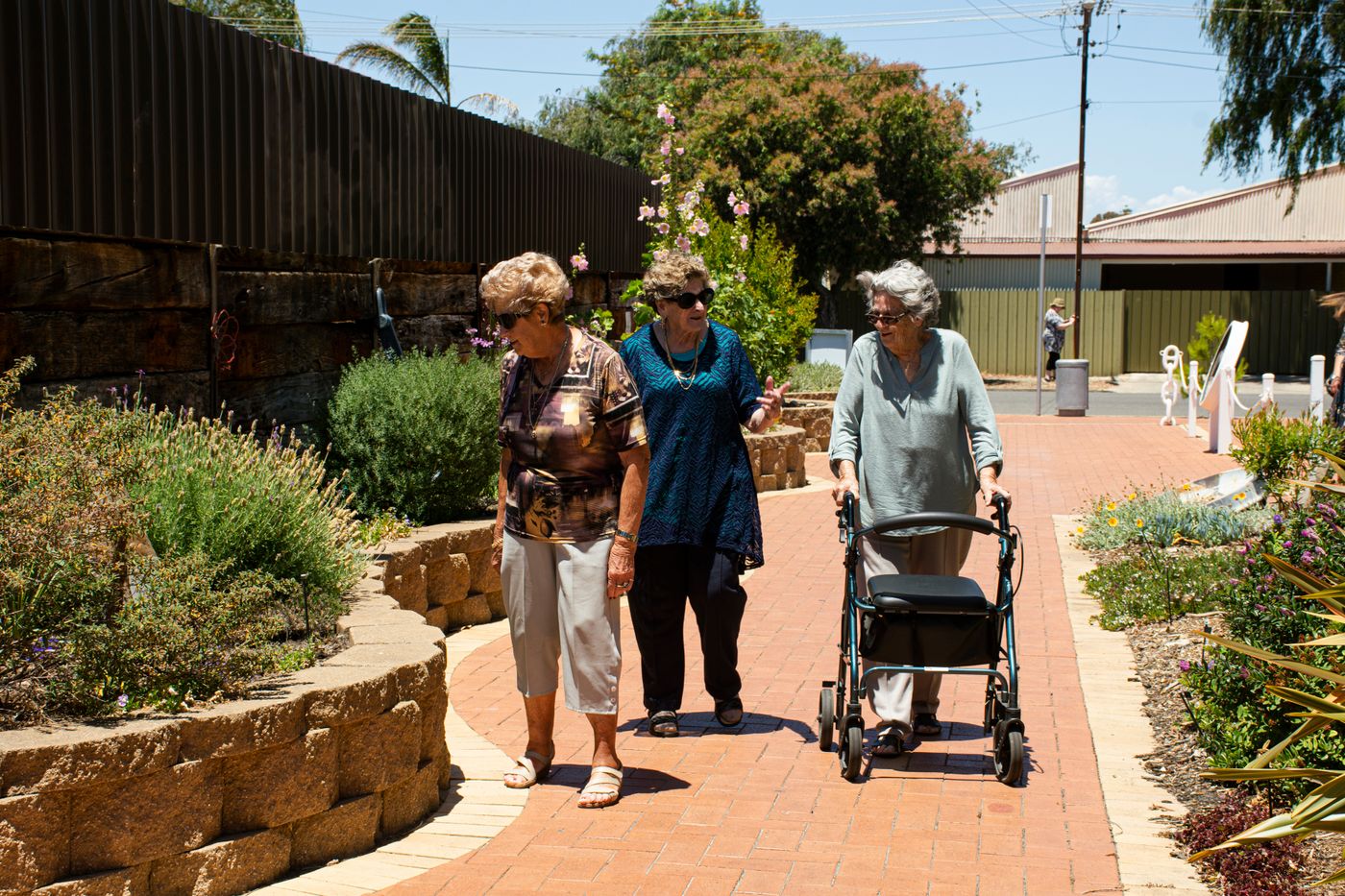
The CDC lists tai chi as an evidence-based fall-prevention intervention. The numbers from the studies are the reason it keeps coming up when seniors' balance is discussed.
Why it works for balance
Ordinary walking uses momentum — you lean forward and let gravity carry you into the next step, with weight often on both feet. Tai chi walking removes the momentum. You deliberately shift 100% of your weight to one leg, hold your balance there, then move the other foot only when it is completely "empty." Repeated single-leg stability is exactly what trains the nervous system to stop a slip before it becomes a fall.
Source: Tai Chi for Health Institute — "In regular walking, one foot steps forward with weight while you try to maintain balance as the other foot moves forward. This increases the chance of falling. Tai Chi Walking is different."
02Start here — the 60-second walk
If you do nothing else on this page, do this. Four steps, one minute, next to a kitchen counter or the back of a chair. Nothing to learn, nothing to buy.
The whole thing in four moves
Stand beside something solid you can rest a hand on. That support is not cheating — it is how you learn the pattern safely.
Stand tall near your support. Knees soft, not locked. Look forward, not down at your feet.
Shift all your weight onto your left leg. Feel the right foot go light — that is "empty".
Lift the empty right foot slowly and place the heel down in front of you. Gently, like testing ice.
Roll the foot down to the toes as your weight arrives. Now the left foot is empty. Swap and repeat.
That is one cycle. Do three or four in a minute and you have done a genuine balance session. If it feels unsteady, make the steps smaller and slow down further — smaller and slower is not easier, it is the actual exercise.
03The four principles
These are what make walking "tai chi walking" instead of just slow walking. Keep them in mind on every step.
Consciously shift your complete weight from one leg to the other — never rely on momentum or leaning.
Establish good balance on the standing leg before the other foot moves at all.
Spine tall, hips level, knees tracking over the toes (never past them), shoulders relaxed.
Notice how the foot lands, how the weight rolls through it, how you breathe. This is the moving-meditation part.
04The step-by-step walk
Walk like a cat: focused, light, deliberate. Start indoors on a clear floor, then take it anywhere — the supermarket aisle, the park, a queue.
Head up, eyes looking forward — never down at your feet. Knees slightly bent and never locked. Centre of gravity low.
Shift all your weight onto one leg and settle your balance there. The foot you're about to move must carry zero weight.
Lift the unweighted foot slowly, peeling the sole from the ground as though it were stuck with glue.
Place the heel in front of you, slowly and gently — like testing ice before you trust it with your weight.
Transfer weight gradually: heel, then ball, then toes. Roll the rest of the foot forward as the weight arrives.
Empty the back foot, lift, heel down, roll through. Slow enough that each step is deliberate. Never hold your breath.
The foot, step by step — heel first, roll through, empty before lift
05Your first four weeks
Four weeks is long enough to feel the difference and short enough not to lose heart. This progression is deliberately small — every week is achievable on a bad day. Skip a week if you need to; there is no schedule to fall behind on.
One minute a day, indoors, on a clear floor, with a hand on a worktop or chair back. Do not try to walk anywhere — stand and step in place, slowly. The goal is to feel what "empty" means.
Aim: 1 minute daily · support within reach · no distance
Two to three minutes. Keep the support nearby but try to need it less. Concentrate on the heel landing first and the weight rolling forward through the ball to the toes.
Aim: 2–3 minutes daily · roll heel-to-toe on every step
Three to five minutes, and let the support go. Walk a short distance across a room, then down a corridor. Do it in ordinary life — kitchen to kettle, car to shop door — and nobody will notice.
Aim: 3–5 minutes · one real walk a day · support optional
Five minutes, most days, and start using it naturally — in a queue, in a supermarket aisle, on uneven ground once it feels steady. Uneven ground is a harder and richer balance workout. This is the point where it stops being an exercise and becomes how you walk.
Aim: 5 minutes most days · outdoors when you can · check back against your check-up
If you miss days: nothing is lost. Balance work does not decay in a week. Restart at the week you last completed rather than the beginning — and if a week feels too much, stay on it for two. Progress is not the point; consistency is.
06Walk like a cat — the teapotmonk five
A simpler way to hold the same idea in your head. Cats move with focus and lightness of step — that's the quality you're copying, not the speed.
- Head up, look straight ahead — never at your feet. Looking down wrecks balance.
- Keep your centre of gravity low — knees soft and slightly bent, joints open, never locked.
- Peel one foot off the floor — slowly, as though the sole is stuck with glue.
- Place the heel down in front of you — slowly, gently.
- Roll the rest of the foot forward to the toes — arms relaxed at your sides, and keep breathing.
Tip: practise it in a queue, in the supermarket aisle, in the park — most people won't even notice, and you get a minute of balance training for a minute of standing.
07Watch it, then follow along
These walkthroughs cover the beginner walk, the Yang-style breakdown, and a seniors' follow-along session. Press play and walk with the instructor.
08Tai chi walking vs. regular walking
If you've ever been told "it's just slow walking" — it isn't. The difference is structural.
| Aspect | Regular walking | Tai chi walking |
|---|---|---|
| Weight transfer | Momentum-based, passive | Controlled, active 100% shift |
| Foot placement | Automatic, unconscious | Deliberate, mindful attention |
| Pace | Natural speed | Slow, measured, for awareness |
| Balance demand | Low — both feet often grounded | High — single-leg stability moments |
| Focus | Destination | The process of each step |
| Breathing | Automatic | Coordinated with movement |
09Safety and common mistakes
Start safe
- Check with your doctor if you have a balance condition, osteoporosis, or are recovering from an injury.
- Decent shoes, not slippers. Flat, stable footwear; a clear indoor floor to start.
- Near a wall or chair for the first sessions — have something to reach for until your balance settles.
- Small steps. A short step with good control beats a long step with wobble.
- Stop if you feel dizzy. Dizziness is not something to push through — sit down, and mention it to your doctor.
Common mistakes
- Looking at your feet. Head up, eyes forward — this is the single biggest balance mistake.
- Locked knees. Keep them soft and slightly bent; the joints stay open.
- Stepping with weight on the moving foot. The foot must be empty before it lifts — that's the whole point.
- Holding your breath. Slow movement + held breath = tension. Breathe normally, steadily.
- Leaning forward. No momentum — the body stays upright and the step comes from the legs.
- Going too fast too soon. If you are wobbling, you are not doing it slowly enough. Slow is the exercise, not a warm-up for it.
10How to build the habit
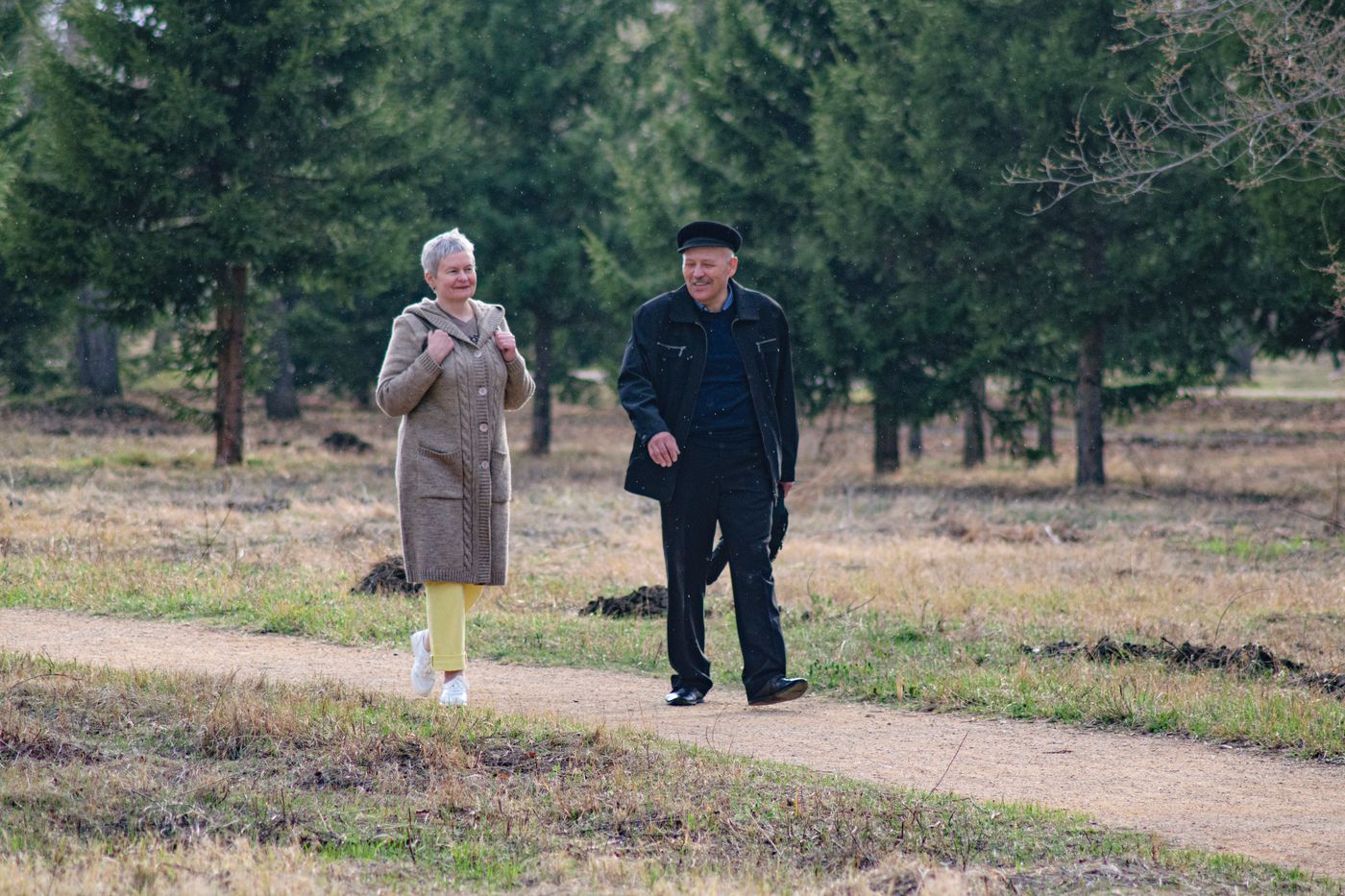
Five to ten mindful minutes a day — even split into one-minute segments — is genuinely enough. Consistency beats duration.
- Anchored to something daily: walk like a cat from the kitchen to the kettle, from the car to the shop door.
- One minute at a time: a single mindful minute of tai chi walking is a minute of balance training. Do that five times a day and it adds up to real benefit.
- Outdoors when you can: uneven ground is a harder, richer balance workout — once the indoor walk feels steady.
- In ordinary life: a queue, an aisle, a corridor. Most people will not notice, and you get balance training for time you were standing still anyway.
Printable four-week tracker
A tick sheet for the whole month. Print it and keep it by the kettle, or copy the columns onto any scrap of paper — the point is to see the ticks accumulate. Two ticks in a week still counts as a week done.
| Day | 1 min | Heel roll | Support-free | Outdoors |
|---|---|---|---|---|
| Mon | ☐ | ☐ | ☐ | ☐ |
| Tue | ☐ | ☐ | ☐ | ☐ |
| Wed | ☐ | ☐ | ☐ | ☐ |
| Thu | ☐ | ☐ | ☐ | ☐ |
| Fri | ☐ | ☐ | ☐ | ☐ |
| Sat | ☐ | ☐ | ☐ | ☐ |
| Sun | ☐ | ☐ | ☐ | ☐ |
Tick what you actually did — not what you meant to do. A week with two ticks is a successful week; a week with none is just a week, and you start again on Monday.
Press Ctrl+P (or Cmd+P on a Mac) to print — the guide and the tracker print cleanly, without the videos or menus.
11Questions people ask
The things that come up most often, answered plainly.
Is tai chi walking heel to toe, or toe to heel?
Heel to toe, when you are walking forward: the heel lands first, then the foot rolls through the ball and finishes at the toes before your weight fully arrives.
Walking backward reverses it — toe first, then heel. Most beginners only need the forward pattern to start with.
Does tai chi walking work for seniors?
Yes. Tai chi is recognised by the CDC as an evidence-based fall-prevention intervention, and a large Australian study found recurring falls dropped by nearly 70% among participants practising tai chi for arthritis — which trains the same weight-transfer and single-leg balance skills as tai chi walking.
It is also low-impact and needs no equipment, which makes it unusually easy to start and to keep doing.
How many minutes a day should I do it?
Five to ten minutes a day is enough, and it can be split up. One mindful minute repeated several times a day genuinely adds up — the balance work is in the quality of the step, not the distance covered.
If five minutes is too much to begin with, start at one. Consistency matters far more than duration.
How many times a week should seniors do tai chi?
The studies showing meaningful benefit generally use two to three sessions a week of 20–30 minutes. But as a daily habit, tai chi walking is gentler than a full tai chi class — a few mindful minutes most days is a good place to start and easy to sustain.
What is the "empty foot"?
Before you lift a foot, you shift all of your weight onto the standing leg so the moving foot carries none at all — it is "empty". You should be able to lift it with no effort, as though it floats.
That complete weight transfer is the cornerstone of the whole exercise. If the lifting foot feels heavy, you have not finished shifting your weight yet.
The printable opens straight away — nothing to wait for. We keep your address only to send occasional related guides, and you can ask us to delete it any time. No account, no tracking.
This guide is for general information and is not medical advice. If you have a balance, bone or joint condition, talk to your doctor before starting. The video instructors are the creators of their own channels; embedded via YouTube's privacy-enhanced mode. Nothing on this page is uploaded, tracked or stored — your progress stays in this browser.